Why My Face Looks Longer: Facial Growth, Mouth Breathing, and Myofunctional Therapy (Ottawa)
Have you noticed your face looking longer, narrower, or more tired than it used to? You may think it's simply aging—but your breathing, tongue posture, and muscle habits may be playing a much bigger role than most people realize.
The Hidden Role of Breathing, Muscle Habits, and Orofacial Myofunctional Therapy
"Craniofacial growth is not solely genetically predetermined—it is profoundly influenced by functional matrices such as breathing, posture, and muscle activity."
Moss, M.L. (1962). The functional matrix hypothesis revisited. 1. The role of mechanotransduction. American Journal of Orthodontics and Dentofacial Orthopedics, 101(5), 384–389.
Key Takeaways:
✔ Facial structure continues to adapt throughout life.
✔ Mouth breathing and poor tongue posture can influence facial appearance.
✔ Muscle habits affect jaw position, facial balance, and breathing.
✔ Orofacial Myofunctional Therapy retrains these muscles to support healthier function.
In this article you'll learn:
• Why faces can continue changing into adulthood
• How breathing affects facial muscles
• What "long face syndrome" really means
• Whether these changes can be improved
The Surprising Science Behind Facial Change
Your face is constantly changing throughout your life, influenced by breathing patterns, muscle function, and daily habitsyou might not even realize are impacting your appearance. The switch from a nasal to an oronasal breathing pattern induces functional adaptations that include an increase in total anterior face height and vertical development of the lower anterior face.
Understanding Long Face Syndrome
Long face syndrome, also known as adenoid facies, is a condition where the lower portion of the face becomes disproportionately elongated. This isn't just about genetics – it's often the result of functional patterns that develop over time. Research shows that "the switch from a nasal to an oronasal breathing pattern induces functional adaptations that include an increase in total anterior face height" (Souki et al., 2012).
The condition is more common than many people realize and can affect both children and adults. While it's often associated with childhood development, adults can also experience changes in facial structure due to breathing patterns and muscle dysfunction.
Key Characteristics of Facial Elongation


Open mouth posture:
Long Face Syndrome may also result in a relaxed facial position
Dark circles under eyes:
Long Face Syndrome may also result in a relaxed facial position where the lips are open, mostly due to narrow nostrils that block airways.
Gummy smile:
More gum tissue visible when smiling
Increased lower facial height:
The distance from the nose to the chin appears longer
Narrow facial width:
The face may appear thinner from side to side
Receding chin or jaw:
The lower jaw may appear to sit further back
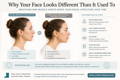
This is a simulation of the difference in developmental facial progression between normal and long Face syndrome. Not a real person.
The Breathing Connection: How Airways Shape Your Face
The relationship between breathing and facial development is profound and continues throughout life. Your airway function directly influences how your facial muscles work and, consequently, how your face develops and maintains its structure.
Mouth Breathing vs. Nasal Breathing
When you breathe through your mouth instead of your nose, several changes occur in your facial muscle patterns:
Mouth Breathing Effects:
• Tongue position drops down and forward
• Jaw hangs open, creating downward pull
• Facial muscles work differently to accommodate the open mouth posture
• Over time, breathing only through your mouth can pull on your jaw and pull your face downwards.
Nasal Breathing Benefits:
• Tongue naturally rests against the roof of the mouth
• Lips remain sealed, supporting proper facial muscle tone
• Jaw maintains better alignment
Facial development is guided in a more balanced direction
"Function influences form throughout life."
Why Mouth Breathing Develops
Several factors can lead to chronic mouth breathing:
• Nasal congestion: Allergies, sinus issues, or structural problems
• Enlarged adenoids or tonsils: Blocking nasal airways
• Habit patterns: Sometimes continuing even after nasal passages clear
• Sleep disorders: Sleep apnea often involves mouth breathing
• Stress and anxiety: Can alter natural breathing patterns
Practical Strategies for Better Facial Health
While working with a qualified myofunctional therapist is ideal, there are several things you can do to support better facial function:
Daily Breathing Awareness
Start paying attention to how you breathe throughout the day. Notice if your mouth is open or closed during rest periods. Practice conscious nasal breathing, especially during activities like computer work or watching television.
Tongue Posture Exercises
Your tongue resting in the roof of the mouth will guide the growth and expansion of your palate, jaw, and airway. Practice placing your tongue gently against the roof of your mouth, just behind your front teeth. This should feel comfortable and natural with your lips closed.
Sleep Positioning and Environment
Create an environment that supports nasal breathing during sleep:
• Address any nasal congestion issues
• Consider a humidifier if air is dry
• Evaluate your pillow height and sleep position
• Manage stress that might affect breathing patterns
Addressing Underlying Issues
If you suspect anatomical issues like enlarged adenoids, deviated septum, or chronic allergies, consult with appropriate healthcare providers. Addressing these underlying issues can significantly improve your ability to breathe through your nose.
When to Seek Professional Help
Consider consulting with a myofunctional therapist or healthcare provider if you notice:
• Chronic mouth breathing, especially during sleep
• Changes in facial appearance over time
• Difficulty keeping lips closed at rest
• Frequent jaw tension or pain
• Persistent nasal congestion
Finding Qualified Providers in Ottawa
When looking for myofunctional therapy in Ottawa, seek providers who:
• Have specialized training in orofacial myology
• Work collaboratively with other healthcare providers
• Understand the connection between breathing and facial development
• Offer comprehensive assessment and personalized treatment plans
The Future of Your Facial Health
Your face is going to change one way or another. It can change for the worse, or with the right help, myofunctional therapy for example, your facial structure can change for the better.
Understanding the connection between breathing, muscle function, and facial development empowers you to take control of these changes. Whether you're concerned about current facial appearance or want to prevent future changes, addressing functional issues can make a significant difference.
Long-term Benefits
People who address breathing and muscle function issues often report:
• Better energy levels throughout the day
• Enhanced facial appearance and symmetry
• Reduced jaw tension and pain
• Greater confidence in their appearance
How Orofacial Myofunctional Therapy Addresses Long Face Syndrome Issues

Assessment: Understanding Your Patterns
During your consultation, we evaluate:
• How you chew, swallow, and breathe during eating
• Muscle balance in your face and jaw
• Tongue posture and movement patterns
Any compensatory habits you've developed

Targeted Exercises: Retraining Your Muscles
Chewing Rehabilitation:
• Exercises to strengthen weaker jaw muscles
• Techniques to develop bilateral chewing patterns
• Coordinating tongue, lip, and throat muscles
• Reducing air intake during swallowing
Breathing Integration:
• Learning to maintain nasal breathing while eating

Habit Modification: Building New Patterns
• Mindful breathing techniques
• Environmental modifications to support better habits
• Family education for children's programs
Frequently Asked Questions (FAQ)
Q: Can myofunctional therapy actually change my face shape as an adult?
A: While myofunctional therapy won't create dramatic changes like surgery, it can improve facial symmetry, muscle tone, and overall facial balance. Adults can see improvements in facial support, jaw alignment, and reduction of elongated appearance through consistent therapy that addresses breathing patterns and muscle function. Kids can see great improvement as they have greater neuroplasticity and change rapidly while growing.
Q: How long does it take to see results from myofunctional therapy?
A: Most people begin noticing improvements in breathing and muscle function within 2-3 months of consistent practice. Visible changes in facial appearance typically can develop over 6-12 months, as it takes time to retrain muscle memory and establish new functional patterns.
Q: Is mouth breathing really that harmful if I've done it for years?
A: Yes, chronic mouth breathing continues to affect facial structure and health throughout life. It contributes to ongoing facial elongation, poor sleep quality, increased risk of dental issues, and compromised airway function. The good news is that it's never too late to retrain proper nasal breathing patterns.
Q: What's the difference between long face syndrome and normal aging?
A: Normal aging involves gradual changes in skin elasticity and muscle tone, while long face syndrome specifically involves structural changes from dysfunctional breathing and muscle patterns. Long face syndrome can be addressed through myofunctional therapy, whereas normal aging requires different approaches focused on skin health and facial muscle maintenance.
Ready to Improve Your Facial Future?
We perform a 360º OMT assessment at our Ottawa clinic to pinpoint each patient’s unique mix of factors.
If you recognize yourself in any of these patterns, we would love to help you understand what's happening and explore solutions that work for your lifestyle.
Book your complimentary 45-minute consultation at Oral-Facial Advantage in Ottawa. During this session, we'll discuss your specific breathing, chewing and swallowing patterns and discuss how myofunctional therapy could help you achieve better facial comfort and overall oral-facial health.
No pressure, no cost - just answers to your questions and a clear understanding of your options.
Ready to take the first step? Contact us today to schedule your free consultation.
References and Sources
- 1. Souki, B.Q., et al. (2012). "Mouth breathing children: upper airway evaluation and impacts on facial development." Journal of Applied Oral Science, 20(6), 596-601.
- 2. Cuccia, A.M., et al. (2008). "The relationship between the stomatognathic system and body posture." Clinics, 63(6), 749-754.
- 3. Hotokezaka, H., et al. (2002). "Relationship between facial morphology and mouth breathing." Angle Orthodontist, 72(4), 285-293.
- 4. Basheer, B., et al. (2014). "Influence of mouth breathing on the dentofacial growth of children: a cephalometric study." Journal of International Oral Health, 6(6), 50-55.
- 5. Villa, M.P., et al. (2015). "Orofacial myofunctional therapy in obstructive sleep apnea syndrome: a pathophysiological perspective." Sleep Medicine Reviews, 23, 43-50.
This blog post is based on current research in orofacial myofunctional therapy and clinical experience. Individual results may vary. Always consult with qualified healthcare providers for personalized treatment recommendations.
Alicia Proper RDH OMT has been serving families for 20 years and founded Oral-Facial Advantage in 2020 to provide specialized Orofacial Myofunctional Therapy. She works collaboratively with Ottawa families, orthodontists, ENTs, family doctors, and other healthcare providers to address the root causes of breathing, chewing, and swallowing dysfunction.